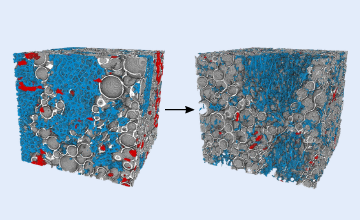
Superlight ablator materials are critical for protecting spacecraft under the extreme heat of atmospheric reentry. Researchers combined in situ X-ray microcomputed tomography at the ALS with super-resolution techniques to characterize the microstructural evolution of these materials during heating. Read more »

Deadline for General User Proposals is September 2
The User Office is accepting new General User Proposals (GUPs) and beamtime requests (BTRs) on existing GUPs. The deadline for submissions is September 2, 2026. Please read the upcoming schedule information closely and contact alsproposals.lbl.gov with any questions.
Read more »
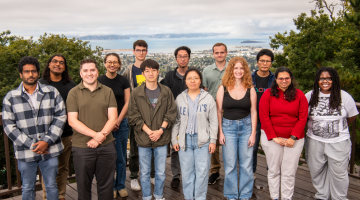
ALS Fellowship Application Window Opens in September
Applications for fellowships to start in winter or spring 2027 will be accepted from September 8–October 2. Fellows will spend up to a year in residence at the ALS pursuing research projects in teams that include staff and the user community, and will be exposed to current scientific challenges that advanced synchrotron radiation tools can tackle. Read more »
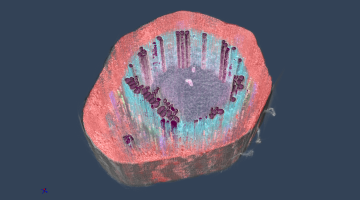
Powering Science: How SYNAPS-I Builds on Meta’s Open Source AI
SYNAPS-I, a DOE initiative led by Berkeley Lab, unites 60 researchers across five labs to speed up X-ray and neutron data analysis using AI. Because prepublication data must stay on secure government systems, open-source models from Meta — SAM 3 and DINOv3 — let the team fine-tune cutting-edge AI entirely in-house. Read more »
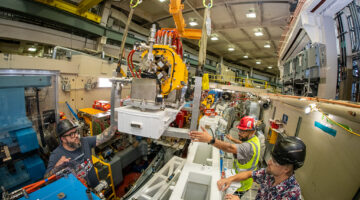
The ALS-U Project Progresses with New Director
The Advanced Light Source Upgrade (ALS-U) project has received approval for a revised cost and schedule, targeting completion by late 2029. Greg Hays joins the team to steer the historic modernization project, which will increase soft X-ray brightness a hundredfold and enable AI-driven research in materials science, quantum computing, biology, and more. Read more »